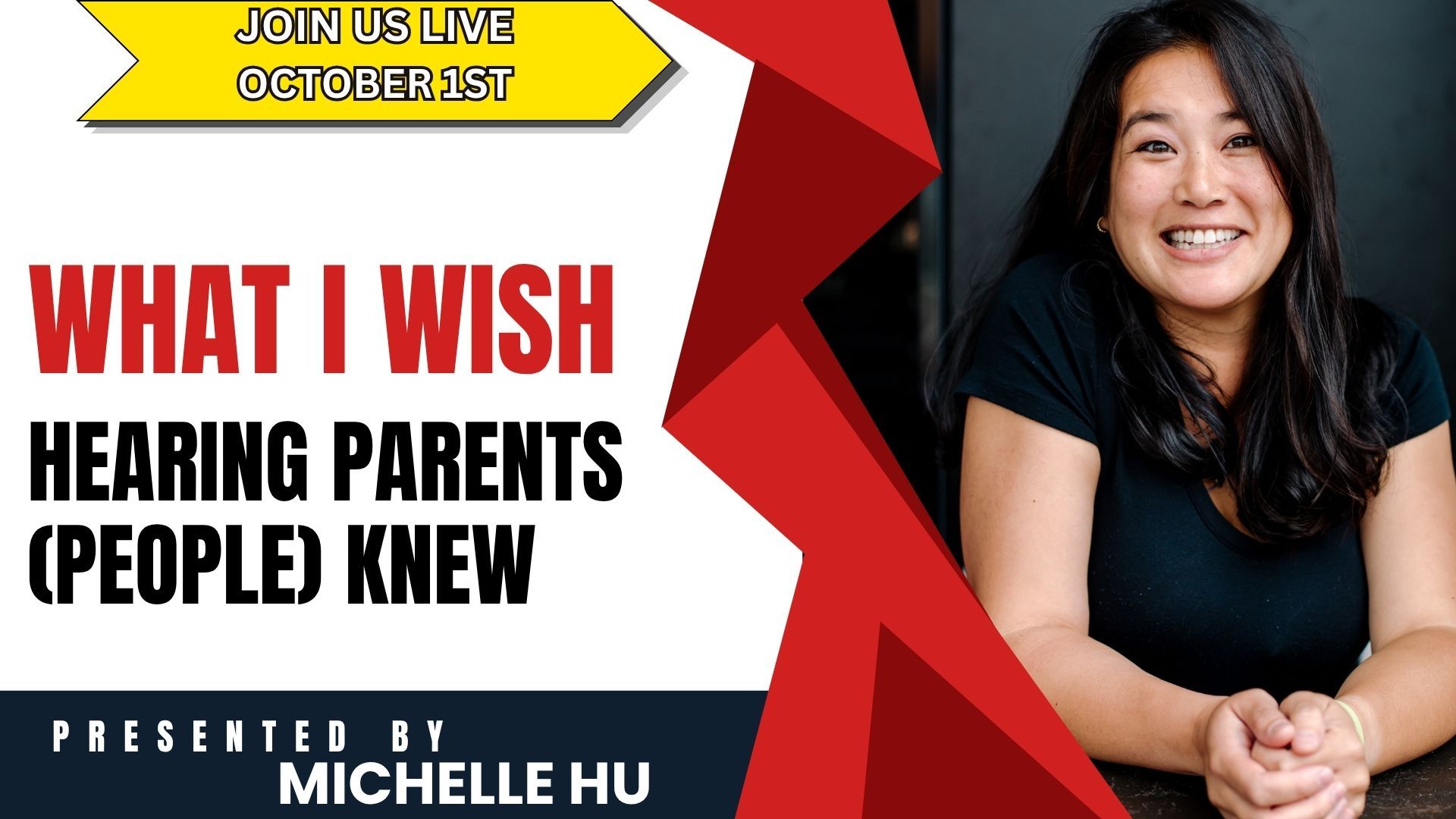
What I Wish Hearing Parents (People) Knew
**Included in the Professional Academy**
Already a member? ACCESS THE TRAINING HERE
What do hearing parents of Deaf and Hard of Hearing (DHH) children need most after a diagnosis? While much of the focus is placed on technology, speech, and educational planning, families are often left navigating the emotional, social, and identity aspects of raising a DHH child with little guidance.
Presented by a pediatric audiologist who is also a Deaf adult, bilateral cochlear implant recipient, and mother, this session offers a unique lived and professional perspective on the experiences that often go unspoken. Participants will gain insight into the invisible challenges DHH children may face—including listening fatigue, communication breakdowns, identity development, self-advocacy, and the difference between hearing and understanding.
Through personal stories, clinical experience, interactive reflection, and practical strategies, attendees will learn how to better support families beyond the audiogram. The session concludes with tools and conversation starters that help parents foster deeper communication, confidence, and connection with their children.
Participants will leave with actionable ideas they can immediately share with families, helping parents move from focusing solely on hearing loss to nurturing thriving, resilient, and well-connected children.
Here's what will be covered:
-
Lived experiences of Deaf and Hard of Hearing children that are not reflected on an audiogram, including listening effort, communication fatigue, identity, and self-advocacy.
-
Practical communication strategies that educators and professionals can share with hearing parents to promote language access, connection, and confidence at home.
-
The difference between hearing, listening, and understanding, and explain how these differences can impact a child's participation, learning, and social-emotional well-being.
-
Conversation-based strategies that encourage meaningful parent-child communication and support the development of self-advocacy, identity, and family connection.
